BrokerTH
In February 2026, the Thai SEC filed criminal complaints against a licensed Thai digital asset broker and an overseas affiliate for operating an unlicensed exchange since 2023. The penalty for conviction: up to three years imprisonment and fines of 300,000 baht per violation — roughly $8,700 USD at current exchange rates.
This wasn’t a warning letter. It was a criminal referral. And it tells you that Thailand’s regulatory enforcement in the digital asset and forex space has moved from guidance into prosecution.
What Changed in 2025-2026
The enforcement acceleration traces to two specific legislative developments. First, Royal Decrees effective April 2025 extended Thai SEC jurisdiction over foreign digital asset platforms serving Thai residents. Previously, an offshore exchange could argue it wasn’t operating “in Thailand” even while serving millions of Thai users. The 2025 decrees closed that argument.
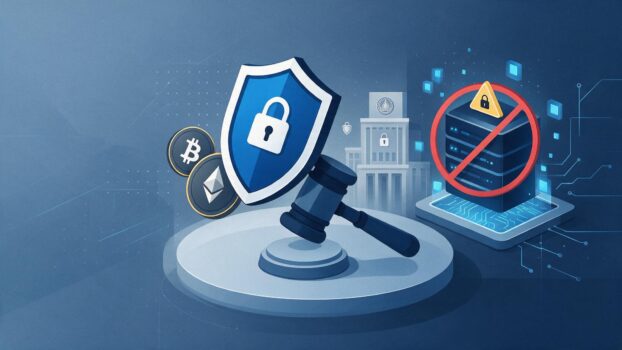
Second — and this is the one that changed practical enforcement capacity — the Ministry of Digital Economy received power to block unlicensed platforms without needing a court order. Court-based blocking took months. Administrative blocking takes days. The Ministry has already used this power, and the signal to unlicensed operators is unambiguous.
What “Unlicensed” Actually Means in the Thai Context
Thailand has two relevant licence categories for digital asset businesses: digital asset exchanges (กระดานซื้อขาย) and digital asset brokers (นายหน้าซื้อขาย). Both require Thai SEC approval. Operating without approval in either category — including routing Thai users through an offshore entity — now carries criminal liability for operators.
The February complaint targeted an entity that had a Thai SEC broker licence but was also routing trades through an offshore exchange that wasn’t licensed. Having one licence doesn’t exempt you from the requirement to licence all parts of the business.
For reference, the currently licensed digital asset exchanges in Thailand include Bitkub, Gulf Binance, Zipmex (operating status varies), and a small number of others. Platforms not on this list are operating without Thai SEC authorisation for Thai users.
What This Means for Retail Traders
The SEC’s enforcement actions target operators, not individual retail investors — at least in the February 2026 complaint. Using an unlicensed platform isn’t itself a criminal offence for the investor under current Thai law. But there are real risks for retail users:
Platform access disruption: When a platform gets blocked, your ability to access your account may be cut without notice. Withdrawal requests submitted on the day of a block may not be processed before access is cut. Users of blocked platforms have reported waiting weeks or months for fund retrieval in similar situations in other countries.
No investor protection: Licensed Thai exchanges operate under the SEC’s investor protection framework, including capital requirements and dispute resolution mechanisms. Unlicensed platforms offer none of these. If an unlicensed exchange freezes withdrawals — as several offshore exchanges did in 2022-2023 — Thai investors have no domestic regulatory channel to escalate the complaint.
Tax reporting complexity: Crypto gains in Thailand are taxable as income. Transactions on unlicensed platforms may be harder to document for tax purposes, and the Revenue Department’s data-sharing agreements with Thai-licensed exchanges don’t extend to unlicensed offshore platforms.
The Forex Side: Parallel Enforcement Risk
The SEC’s 2026 review of retail forex and CFD leverage and suitability standards signals that forex platforms face the same trajectory. None of the major forex brokers serving Thai retail clients — Exness, XM, IC Markets — hold Thai SEC licences. They operate under the pre-existing tolerance that has let offshore-licensed forex brokers serve Thai users without explicit Thai authorisation.
If the SEC applies the same enforcement doctrine to forex platforms that it applied to unlicensed digital asset exchanges, these brokers could face blocking actions or be required to obtain Thai licences. Either outcome disrupts service for Thai retail traders who rely on them.
How to Assess Your Platform Risk
A few practical checks:
- Thai SEC licence status: The SEC maintains a public list of licensed digital asset businesses at its website. If your platform isn’t on it, your account sits outside the Thai regulatory perimeter.
- Withdrawal history: Test your platform’s withdrawal process before you have a large position to exit. Platforms that delay withdrawals or impose unexplained limits under normal conditions are higher risk.
- Jurisdiction of incorporation: Seychelles, British Virgin Islands, and similar offshore jurisdictions offer minimal investor protection. ASIC (Australia), FCA (UK), and MAS (Singapore) licensed entities offer meaningfully more, even if not Thai SEC licensed.
The Constructive Take
Thailand’s regulatory tightening isn’t designed to eliminate crypto and forex trading — it’s designed to bring it into a framework where investors have meaningful protections and operators have accountability. The Thai SEC’s draft Bitcoin and Ethereum ETF rules, published the same month as the criminal complaint, make clear that the regulator sees a legitimate role for digital asset investment in Thailand. It just wants that investment to happen through licenced, accountable channels.
For retail investors, the practical response is to gradually shift positions toward licenced Thai platforms for the portion of your crypto or forex exposure where long-term holding or significant positions are involved. Keep unlicensed platform use proportionate to the risk you’re willing to accept of disrupted access.
The Bottom Line
The February 2026 criminal complaint is the clearest signal yet that Thai enforcement has moved beyond warning letters. Three years imprisonment and 300,000 baht fines are real penalties. The platform-blocking power is real and has been used. Retail investors aren’t the target — but they bear the consequences when their platform gets blocked. Know which of your platforms hold Thai SEC licences, and build your contingency plan accordingly.